
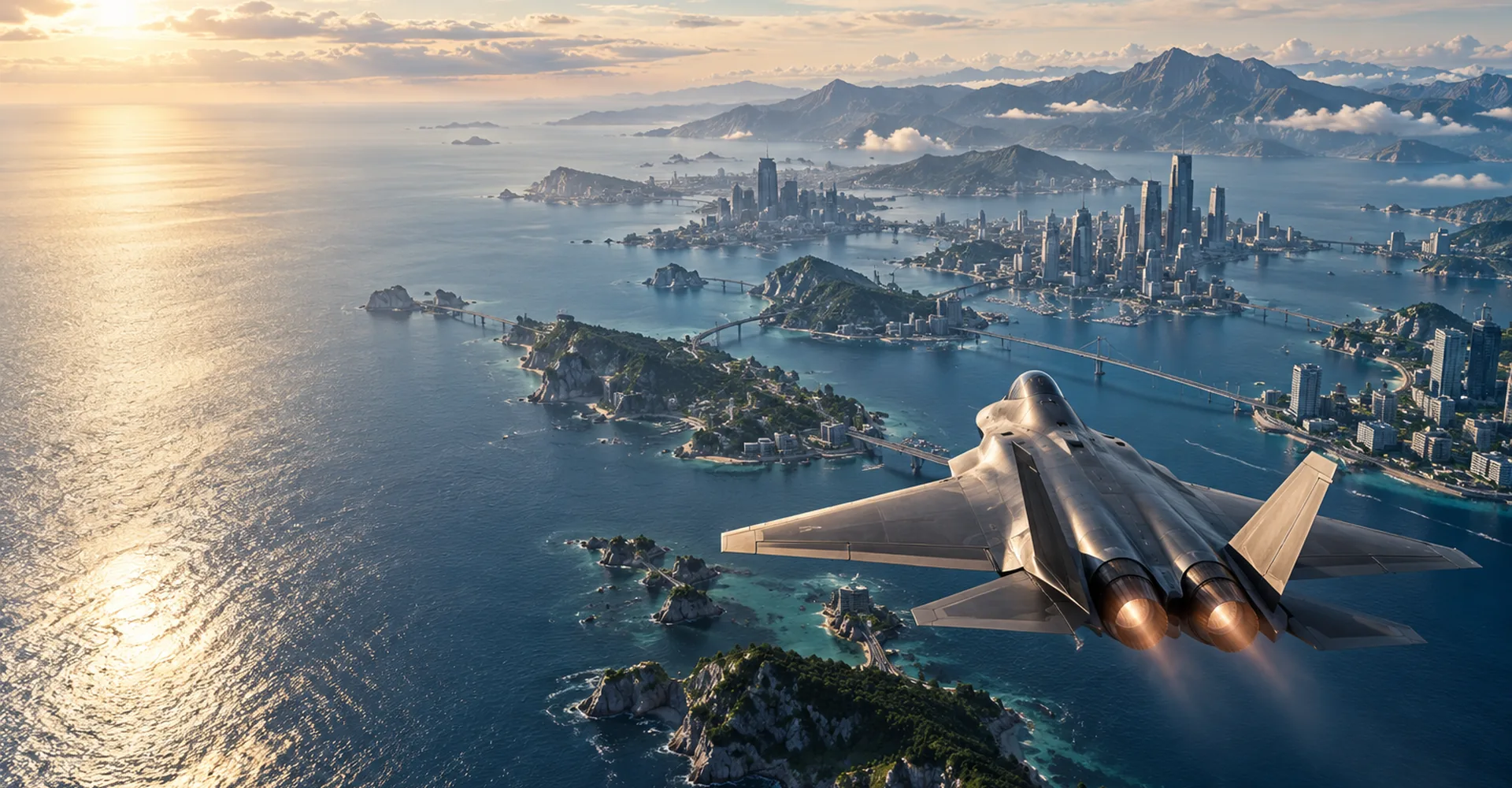
Rendering, reimagined.
From original pixels to modern worlds.
One renderer draws the game’s own scene three ways, from the PlayStation’s 1:1 picture to a remaster on Direct3D 12.
Concept imagery
Visual styles
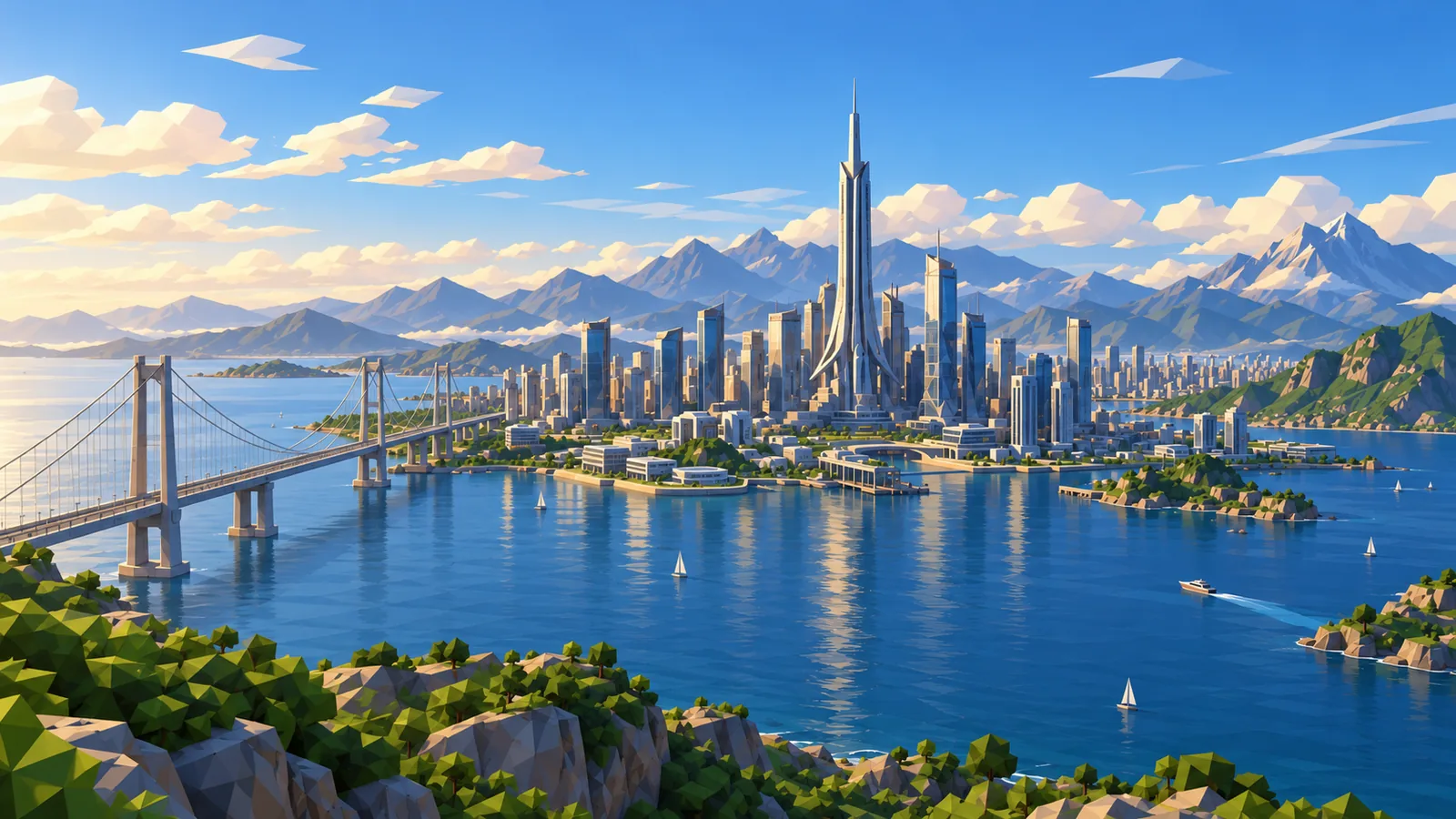
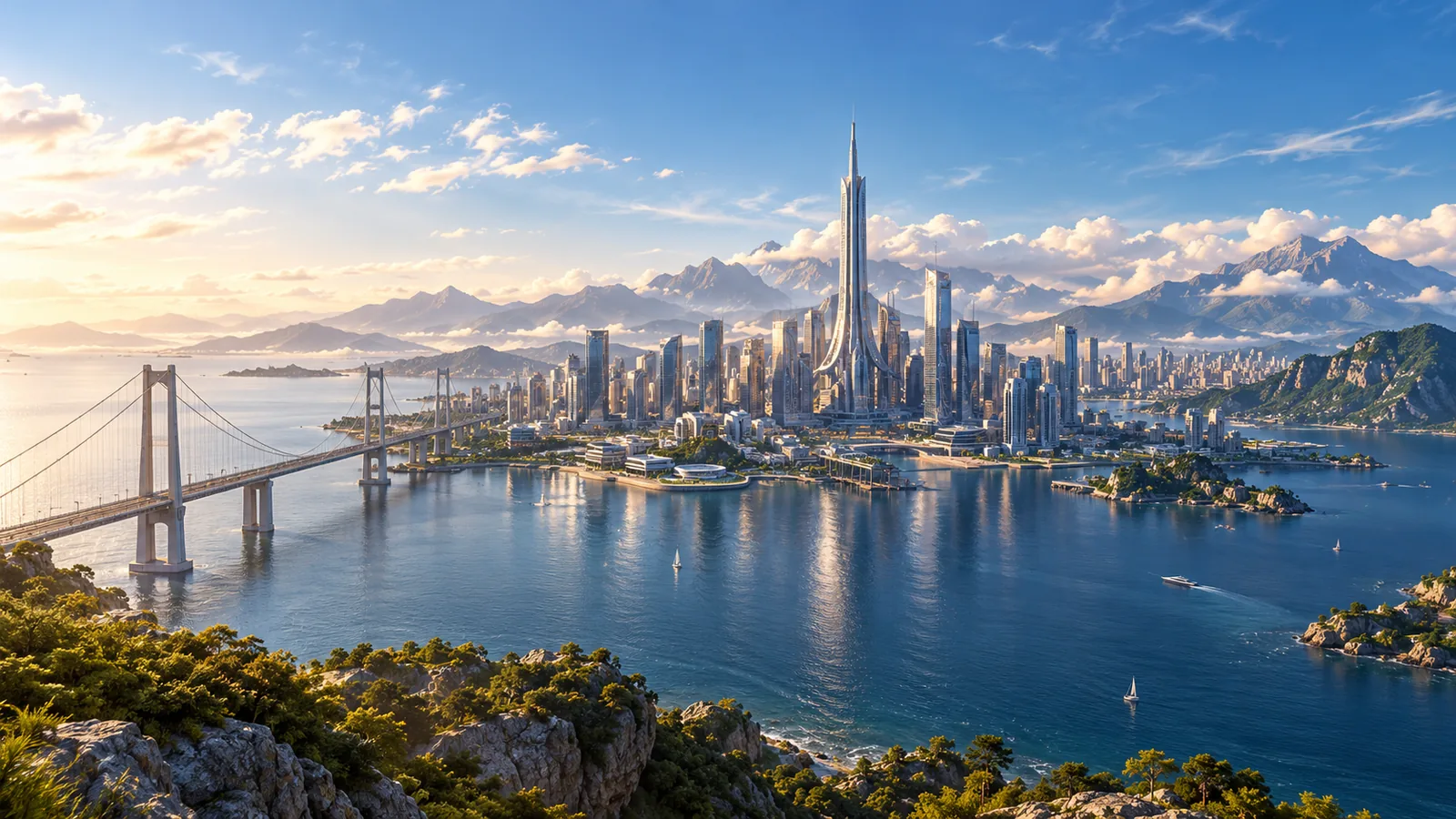
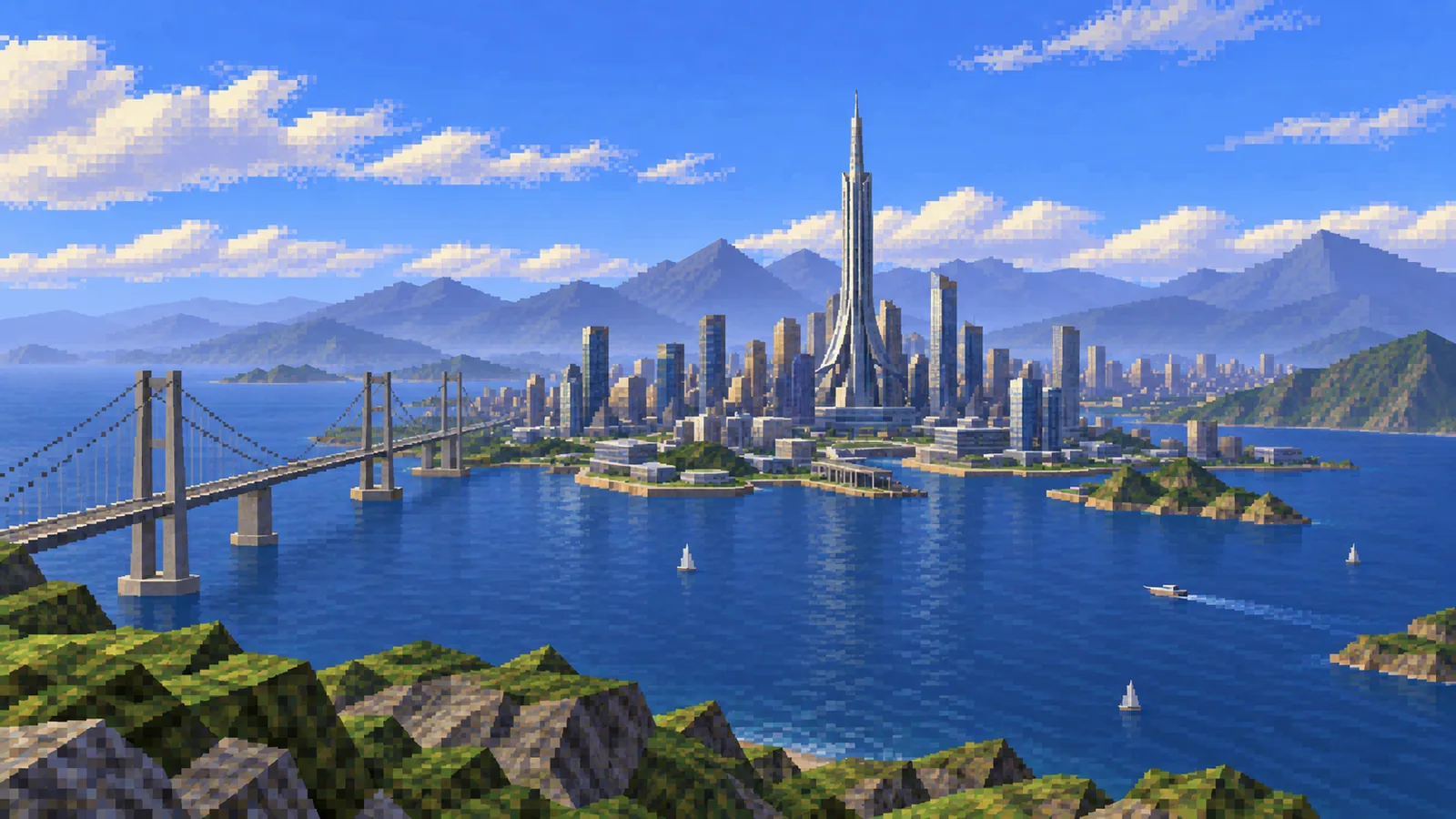
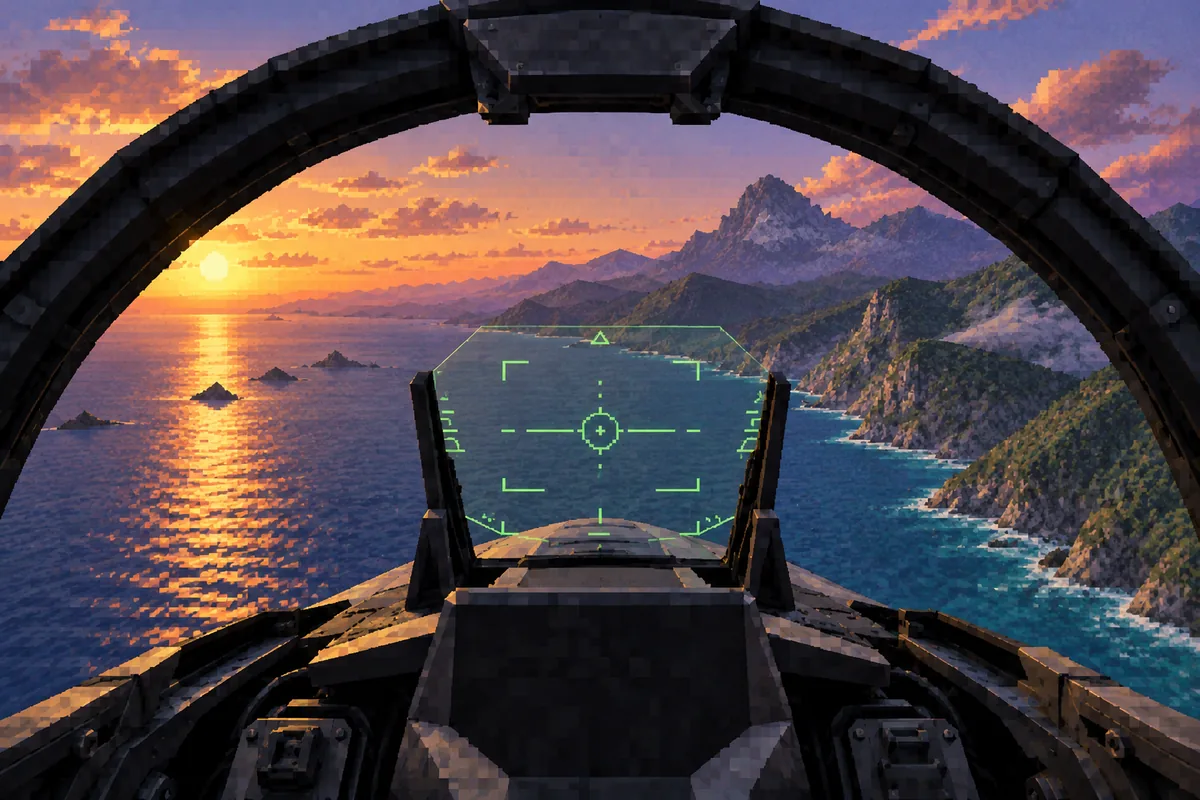
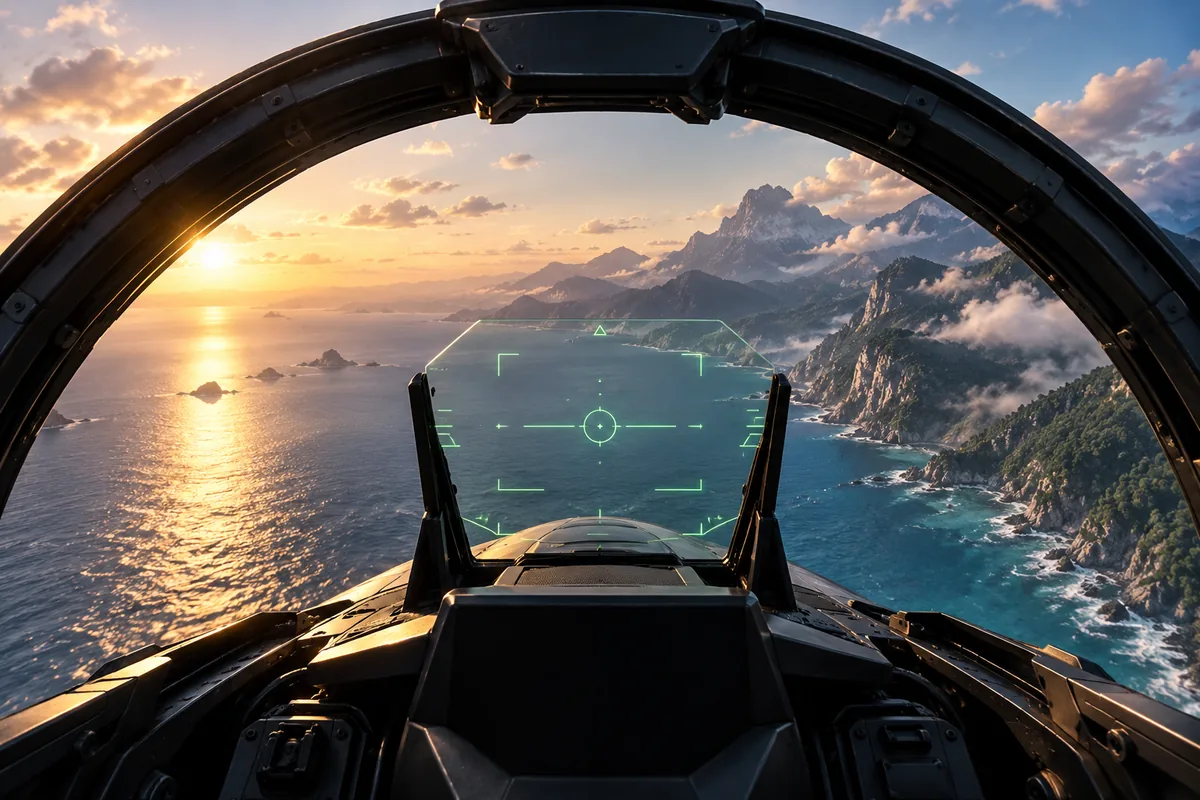
Three ways to see the same world.
Original is the unmodified 1:1 look, Clean the same graphics cleaned up, Remaster a modern look and feel. Drag across the image to compare.
Geometry
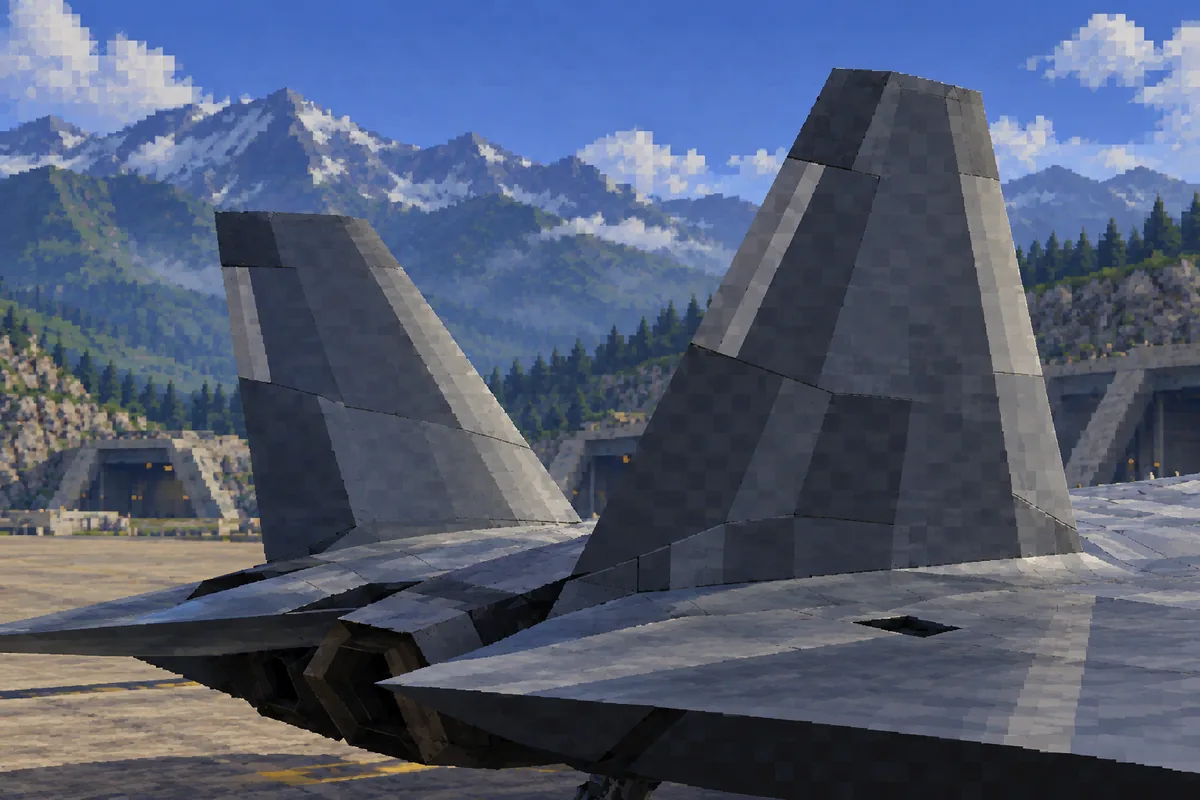
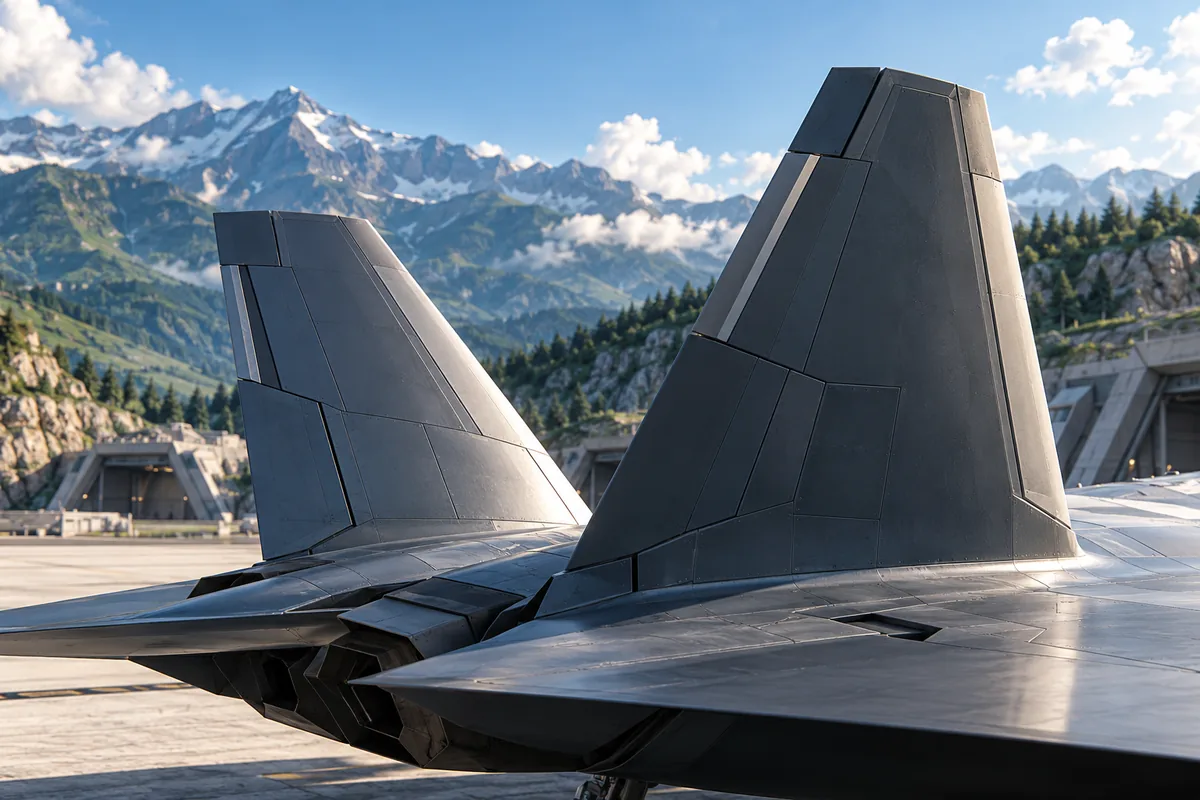
Geometry that holds together.
Stable geometry. Clear silhouettes. Wider views.
Clean draws the game’s own meshes in floating point: no wobble, no seam cracks. Remaster remodels them, one model at a time.


Worlds
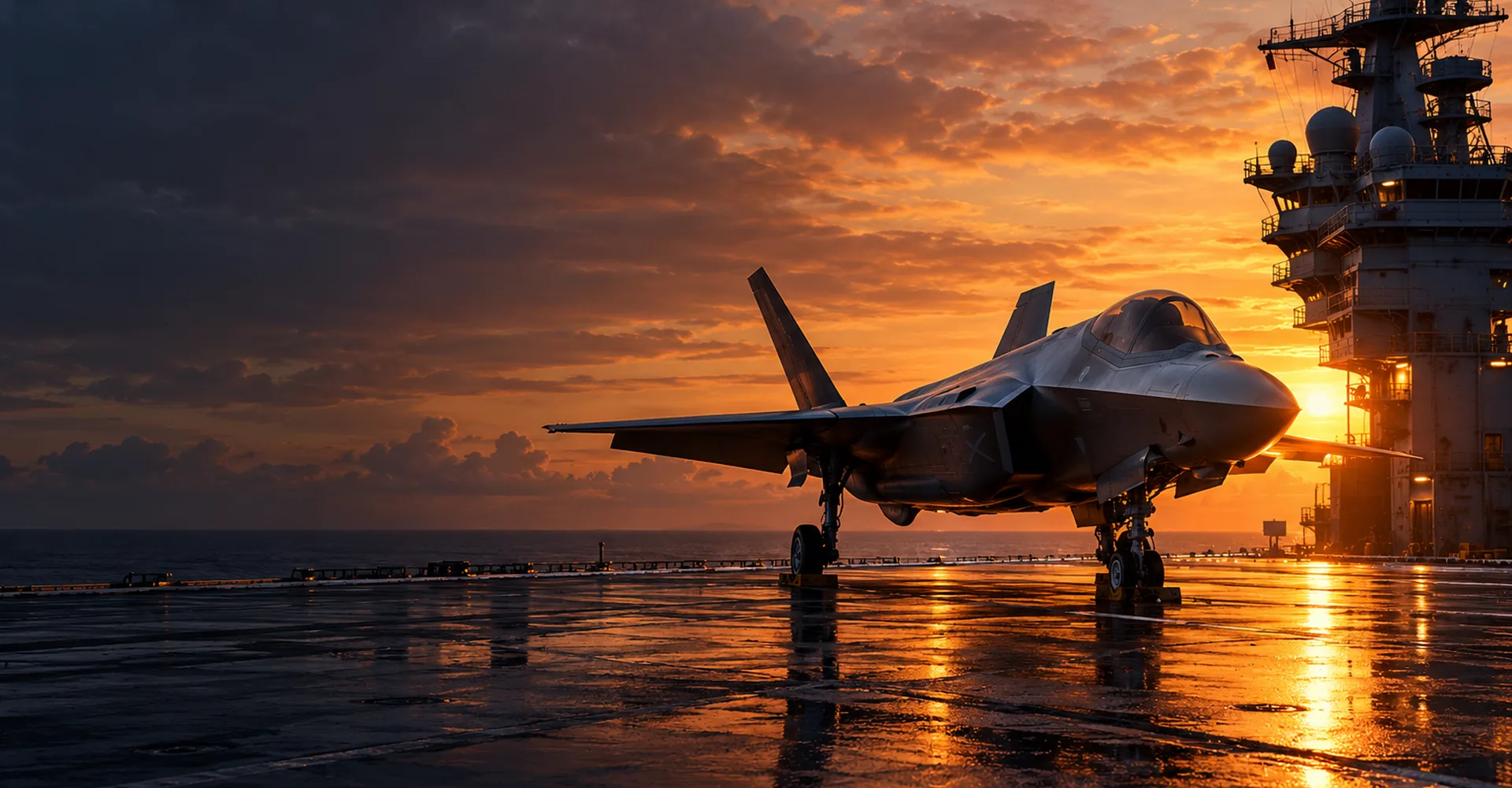
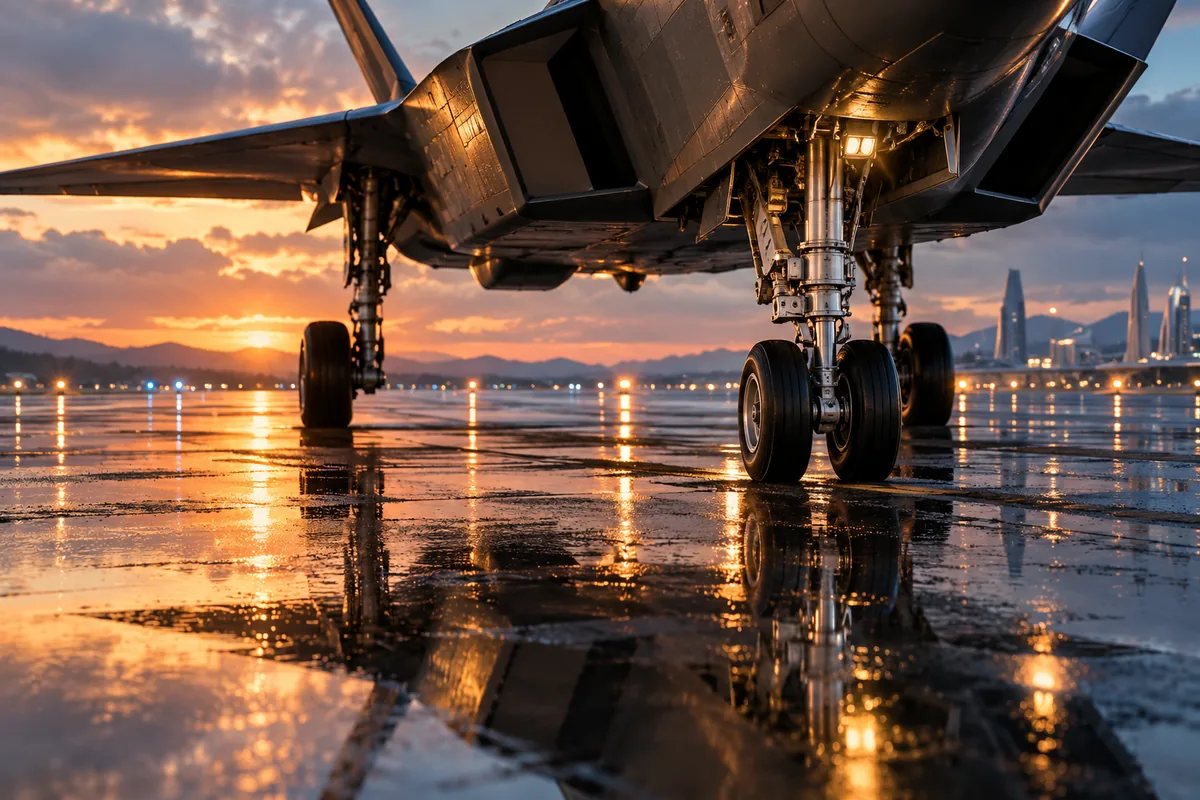
Worlds beyond the horizon.
Remaster rebuilds a game’s world from its own map, out to the horizon.
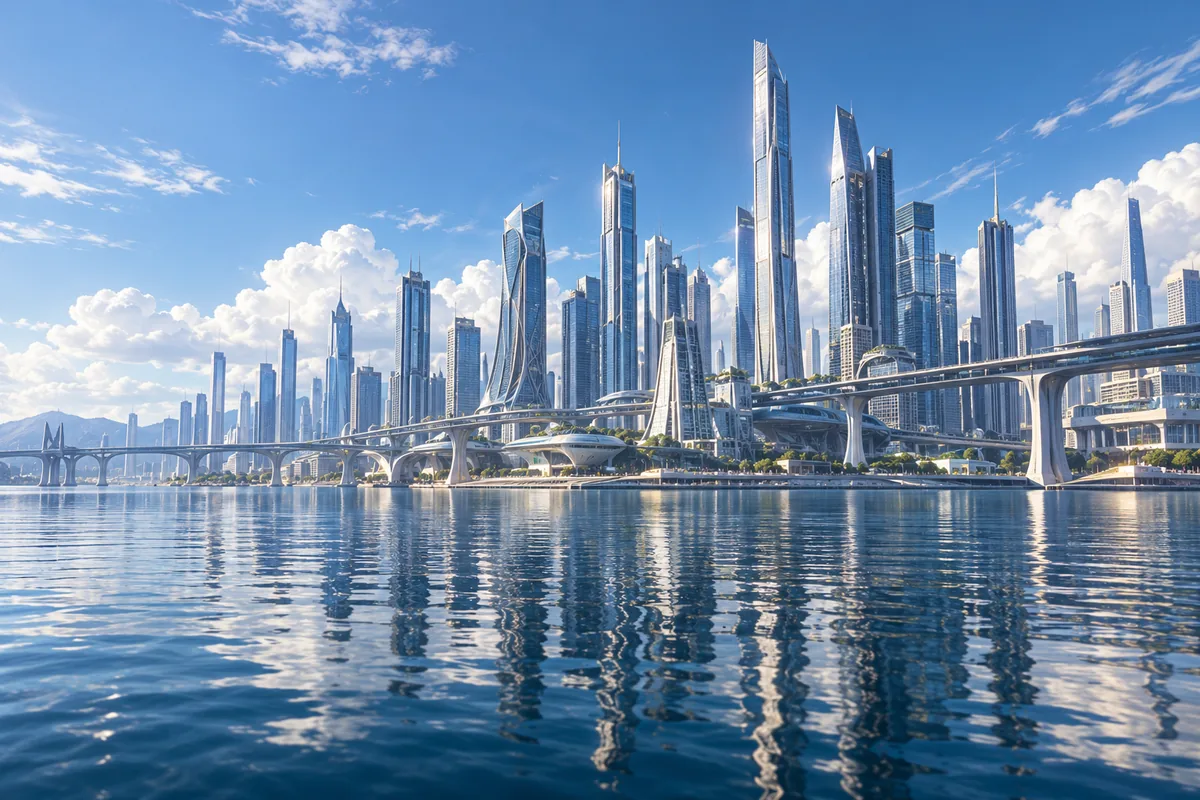
City
Cities designed street by street.
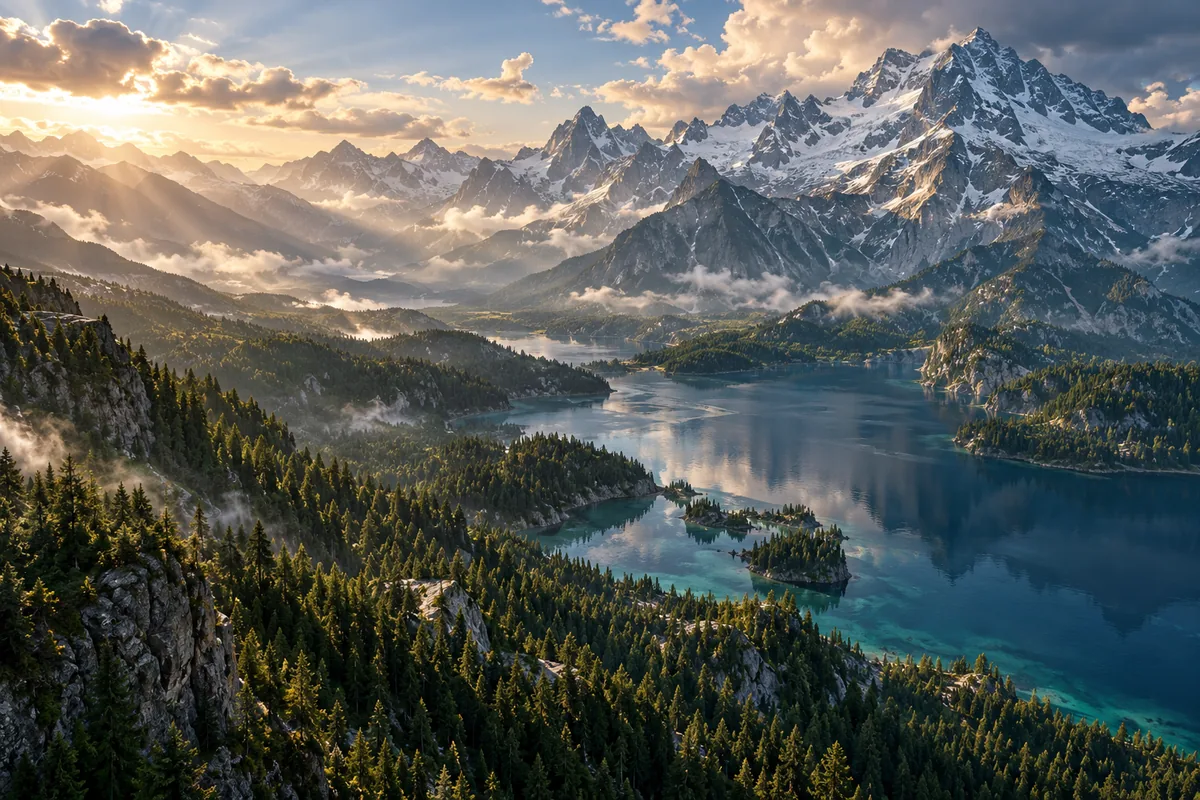
Forest
Beech, fir and spruce trees, fully modelled.
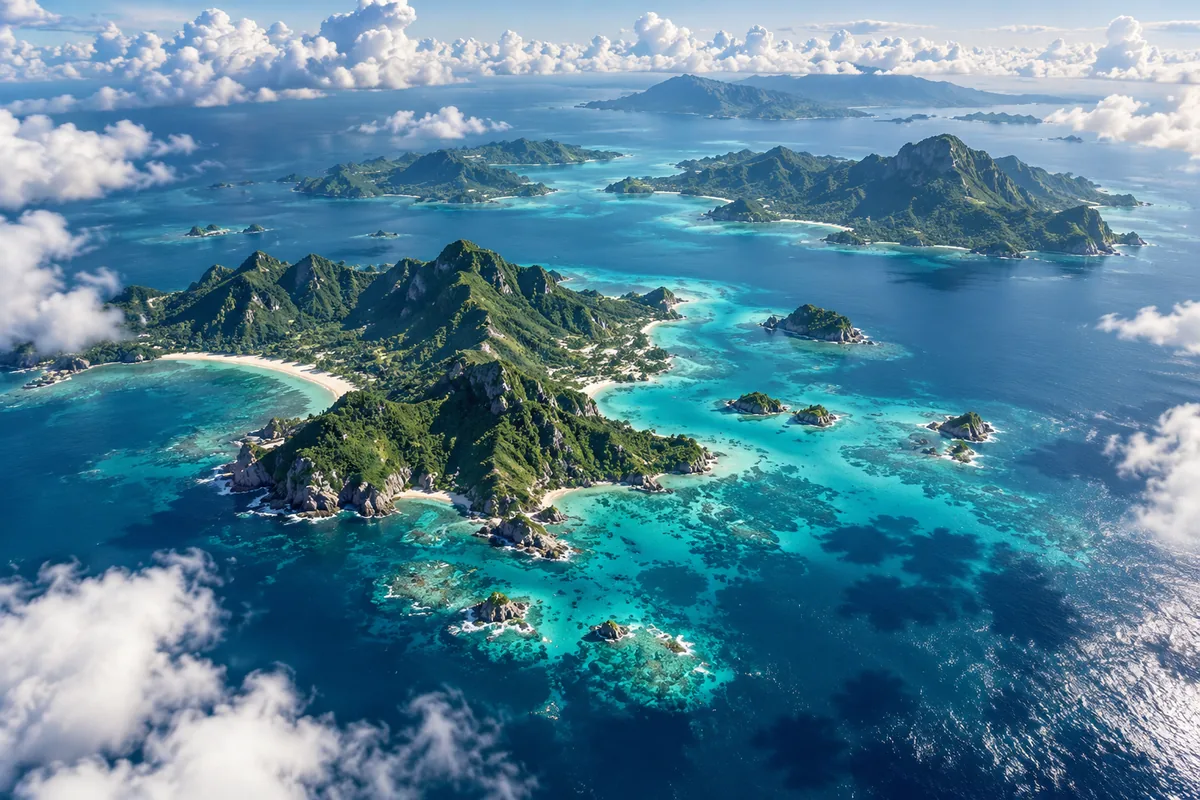
Sea
Spectrum-driven waves lit by the sky.

Sky
Physically based air, haze and sunlight.
Clarity
Clarity in motion.
Resolution and reconstruction choices adapt the presentation to your PC.
DLAA and DLSS need an NVIDIA RTX card, and are not in current builds yet.
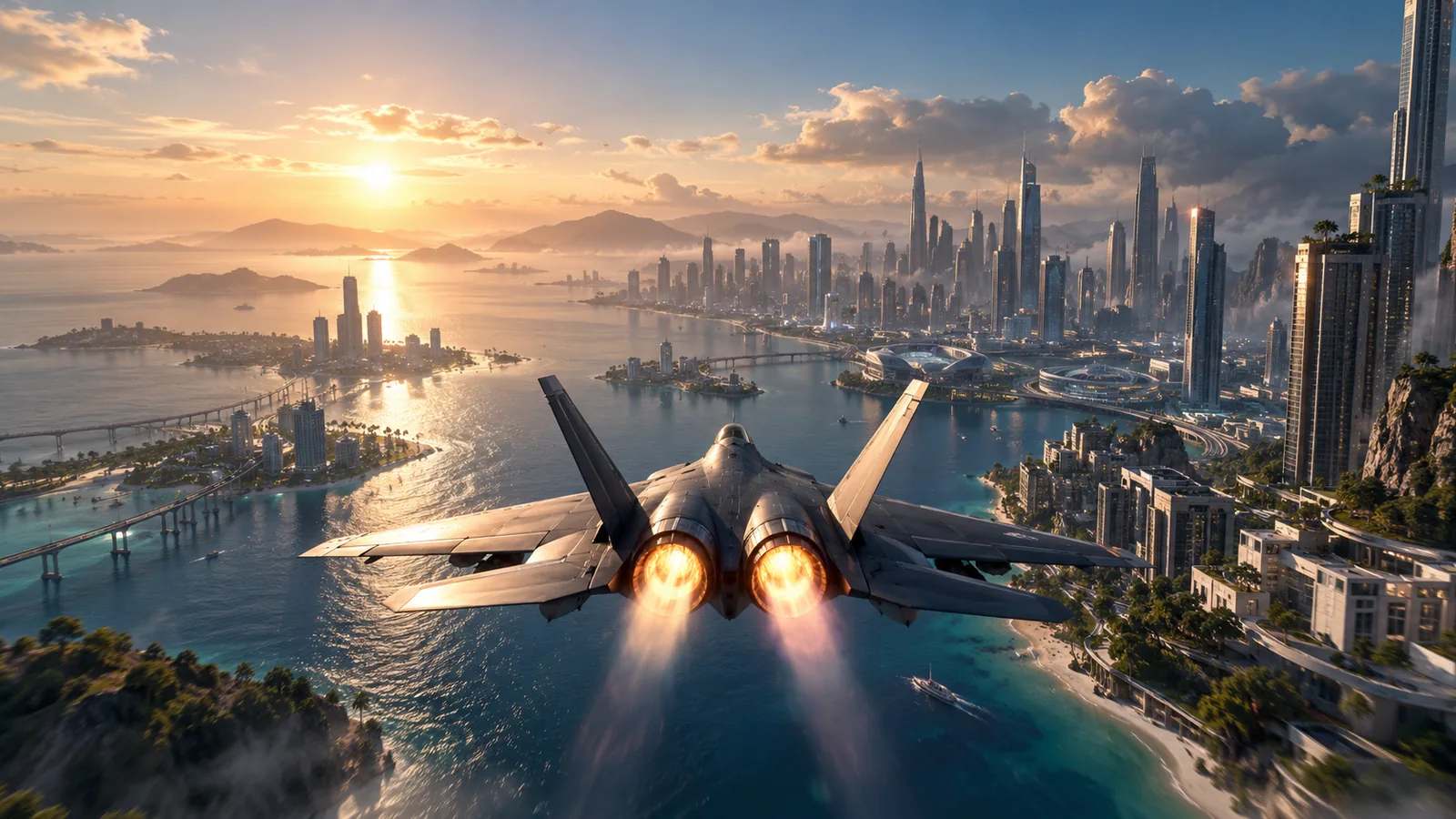
Interface
A familiar interface, redrawn.
Every line and letter of the game’s HUD, redrawn as sharp shapes and real type, moving at 60 frames a second.
In widescreen, its clusters move out to the screen’s edges.
Next
Explore the engine architecture.
Dive deeper into the systems behind the renderer, from the runtime to the tools that bring it all together.
Read about the architectureSee it all come together.
Discover the Ace Combat 3 project and how classic worlds take flight again.